 Metal Spinning
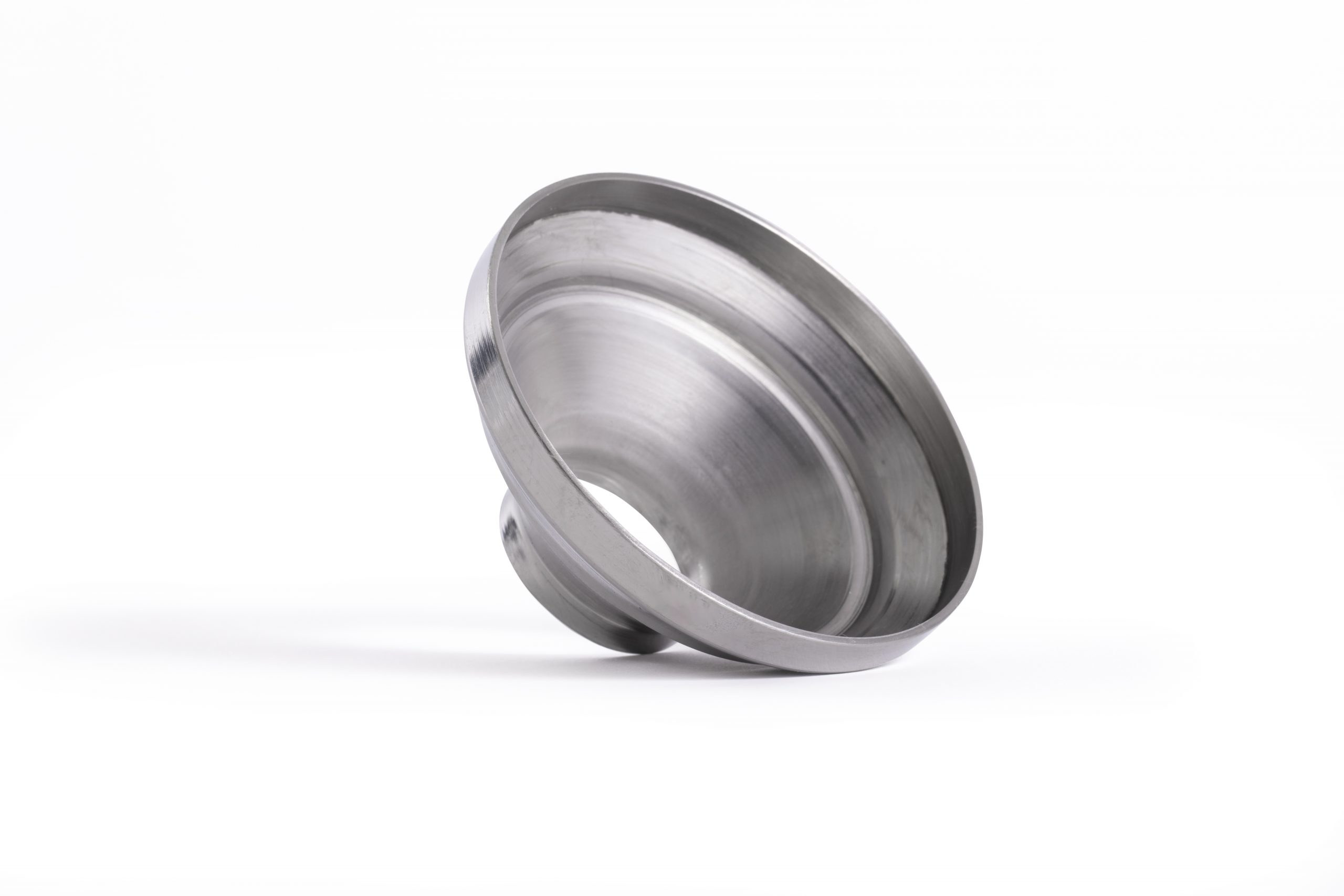 Bespoke Metal Spinning
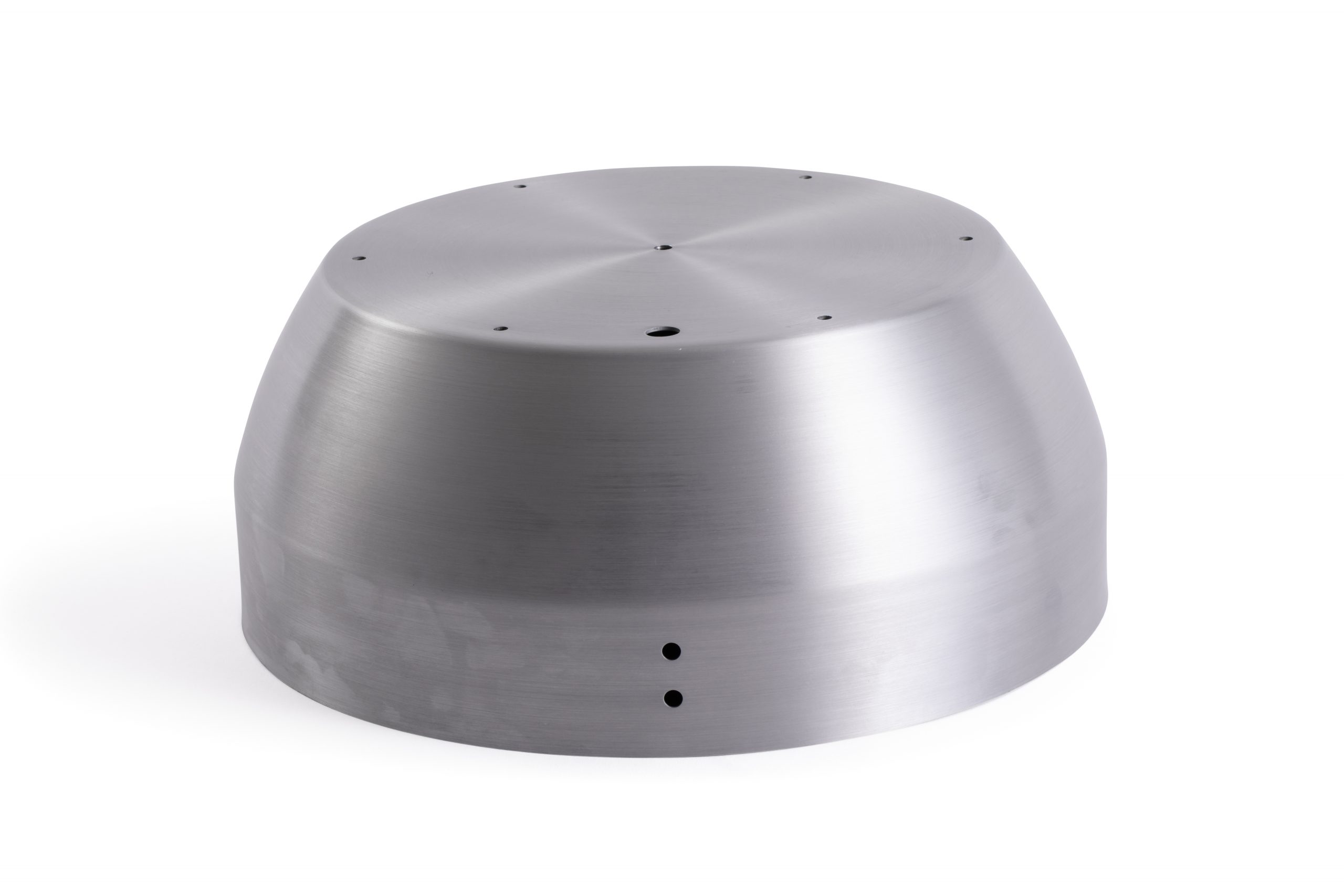 Metal Polishing
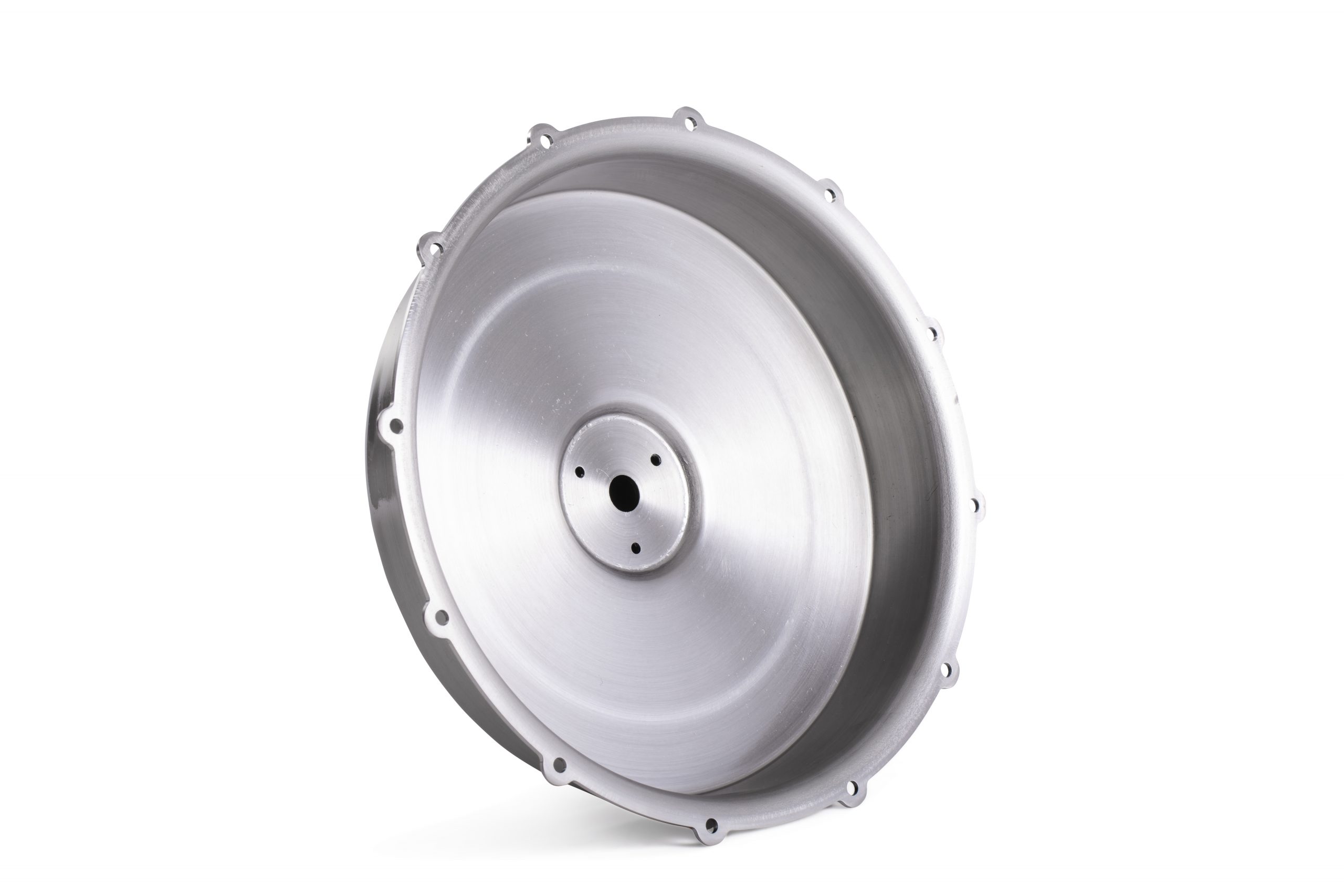 Machining
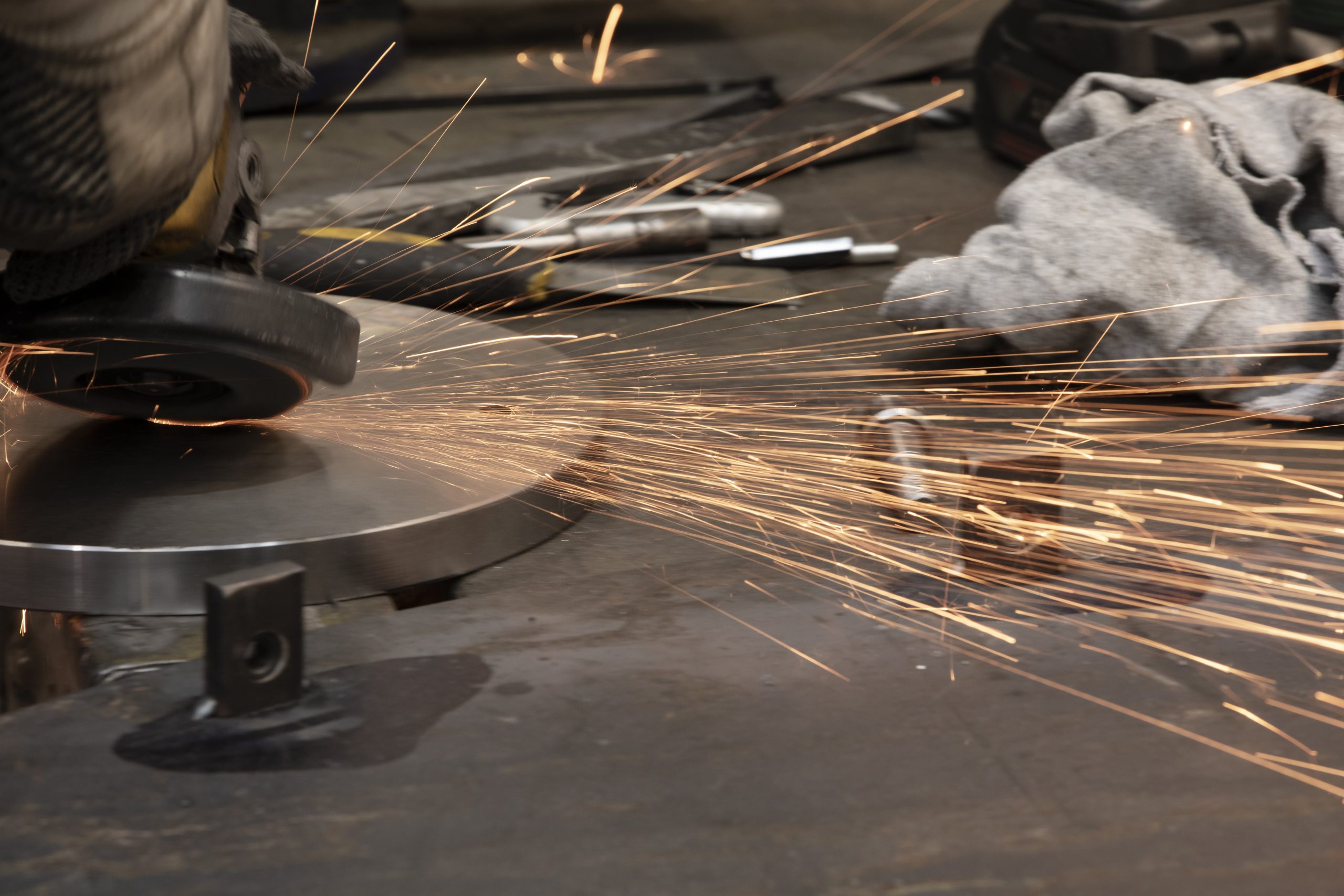 Metal Pressing
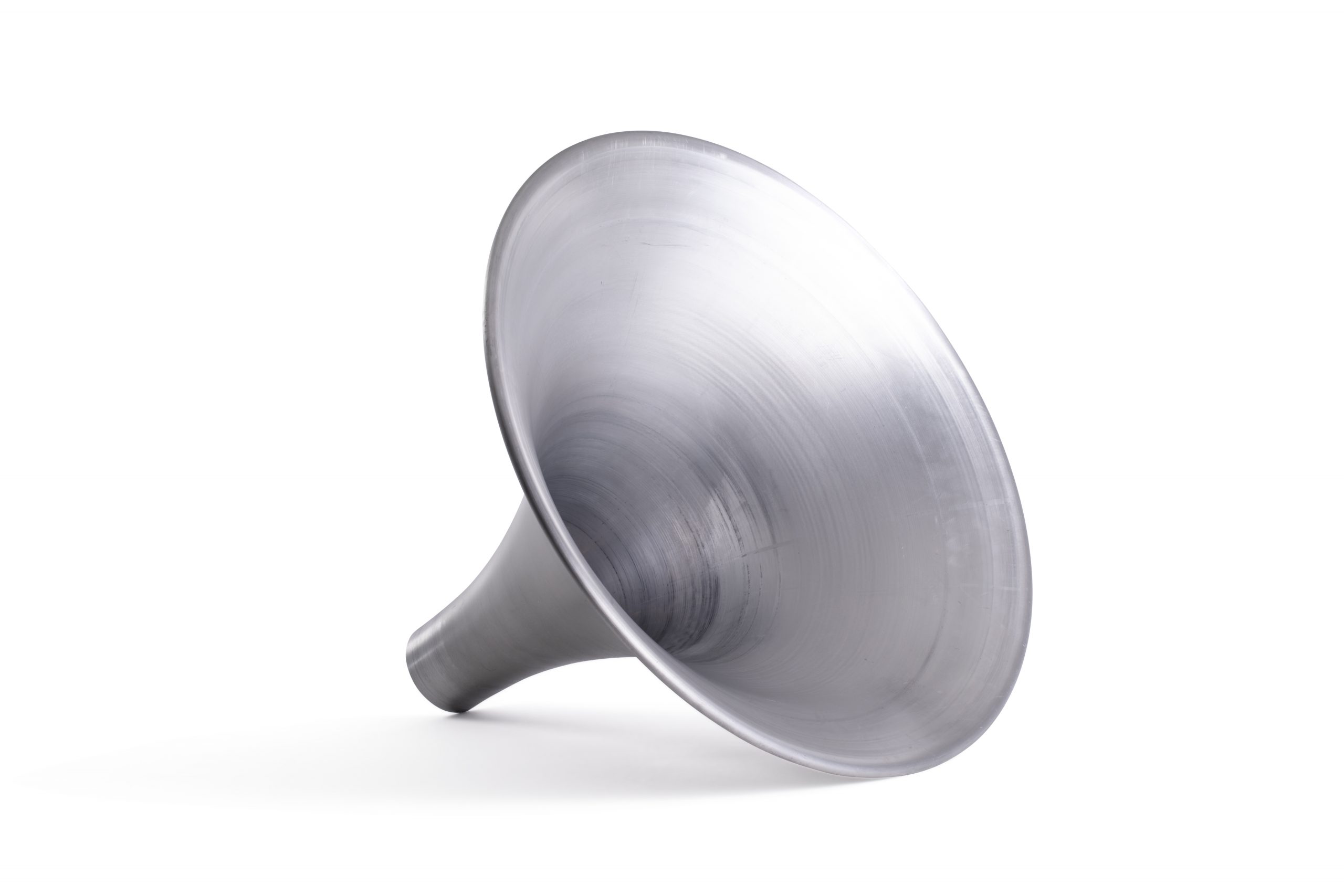 Metal Swaging
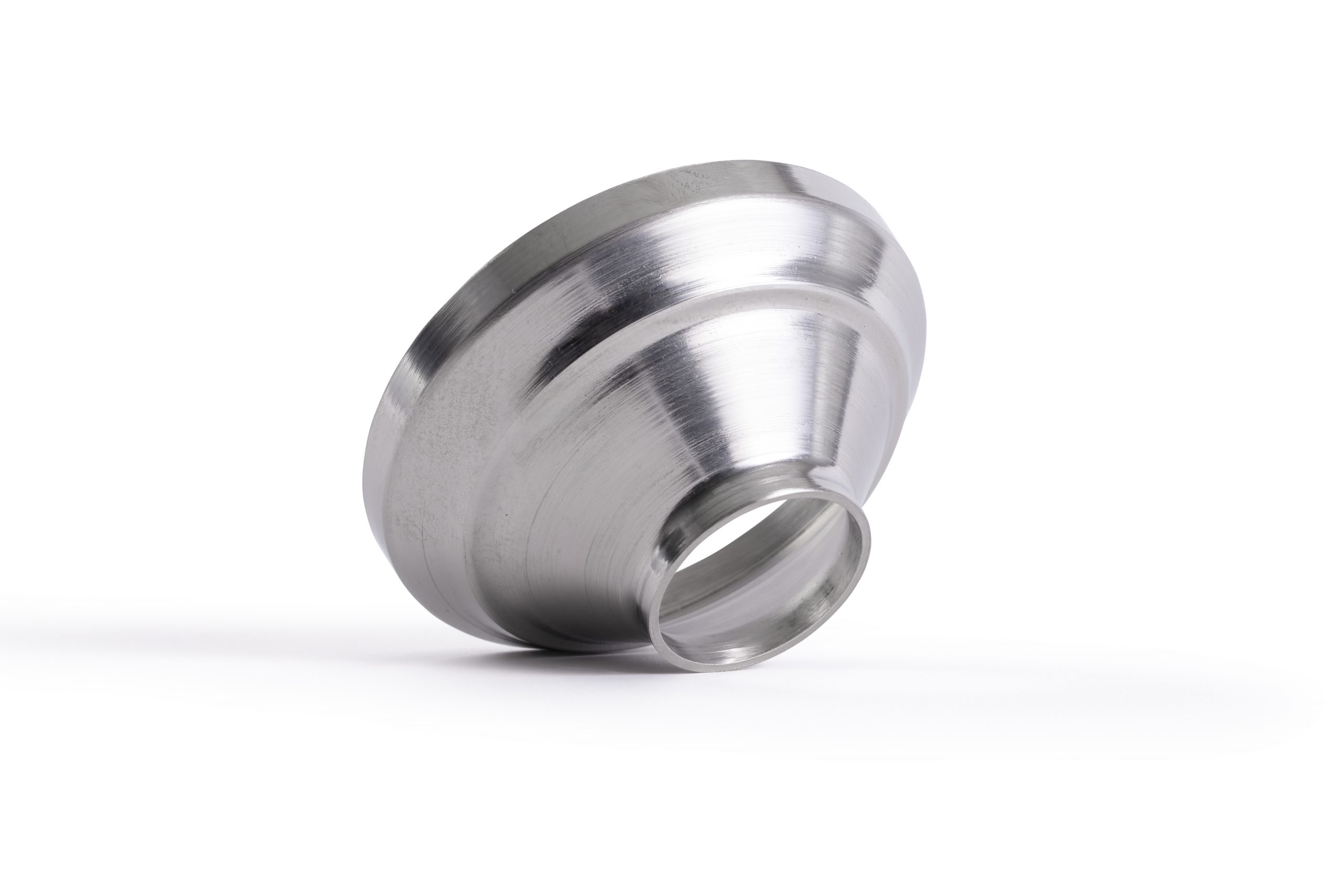 Metal Fabrication & Welding
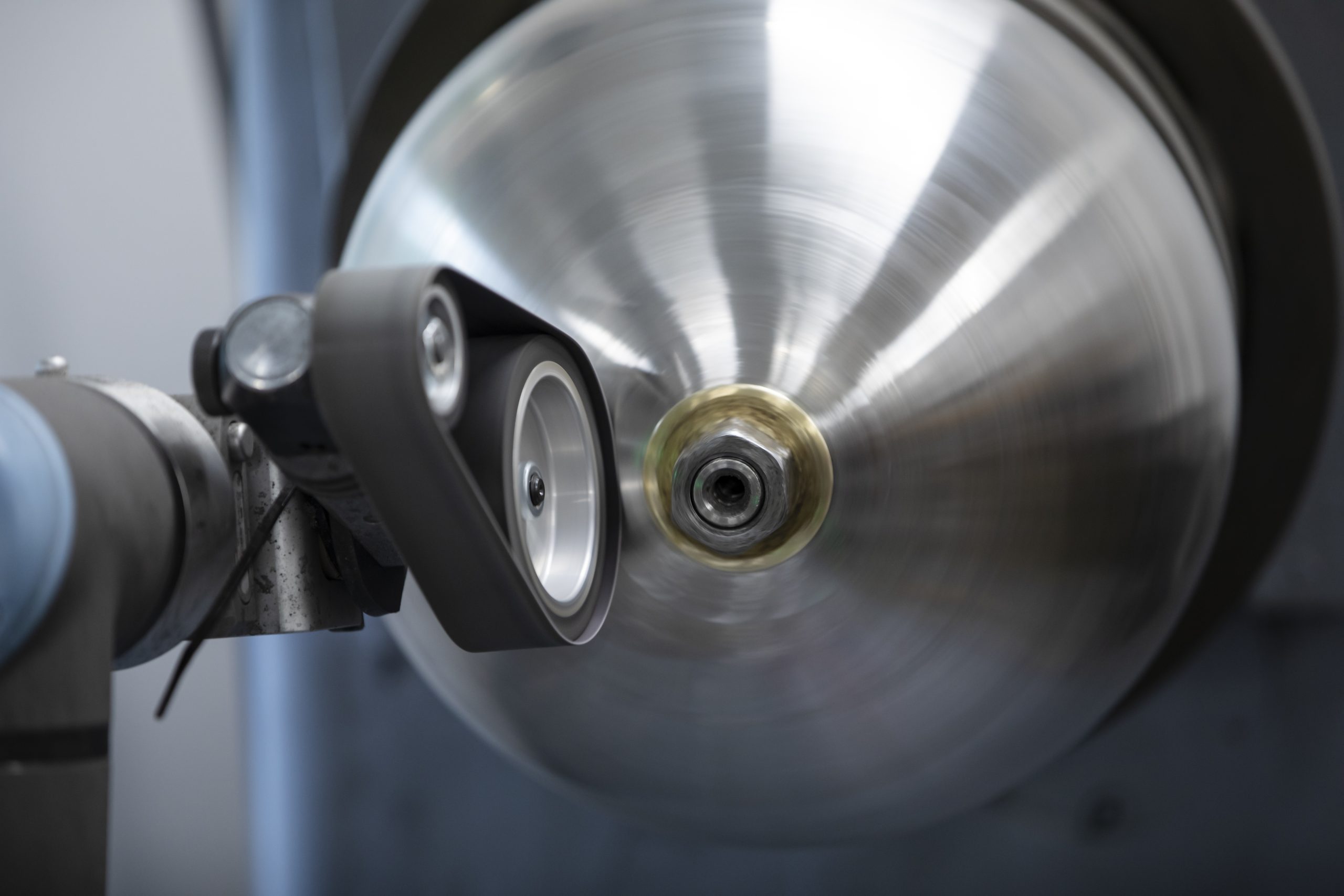 Precision Engineering
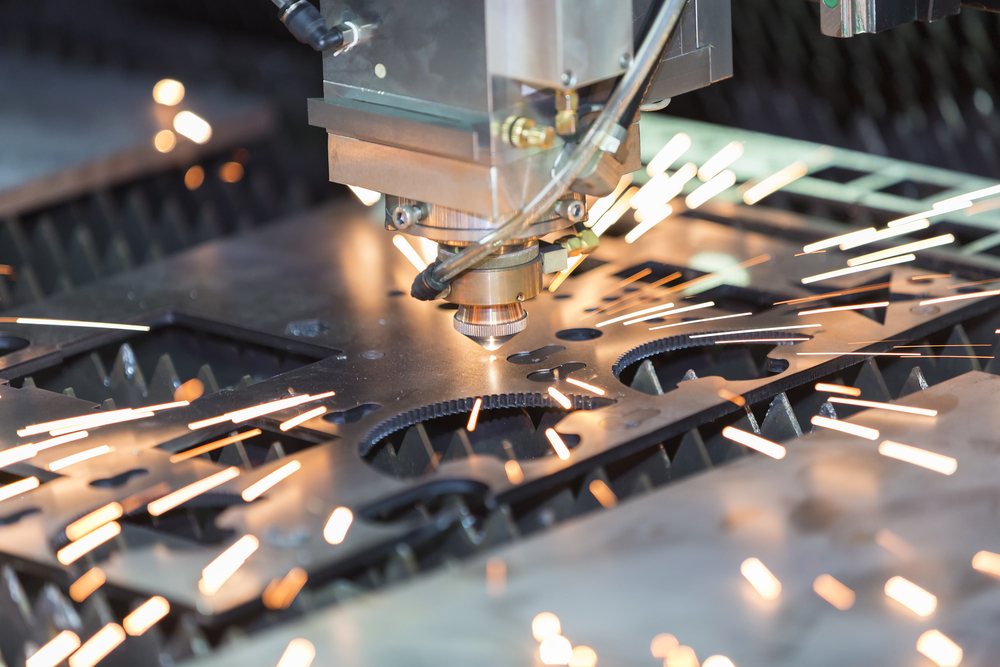 Laser Cutting
 Inspection and Quality
 Anodising, Electropolishing and Pickling & Passivating
 Agriculture
 Automotive
 Air Movement
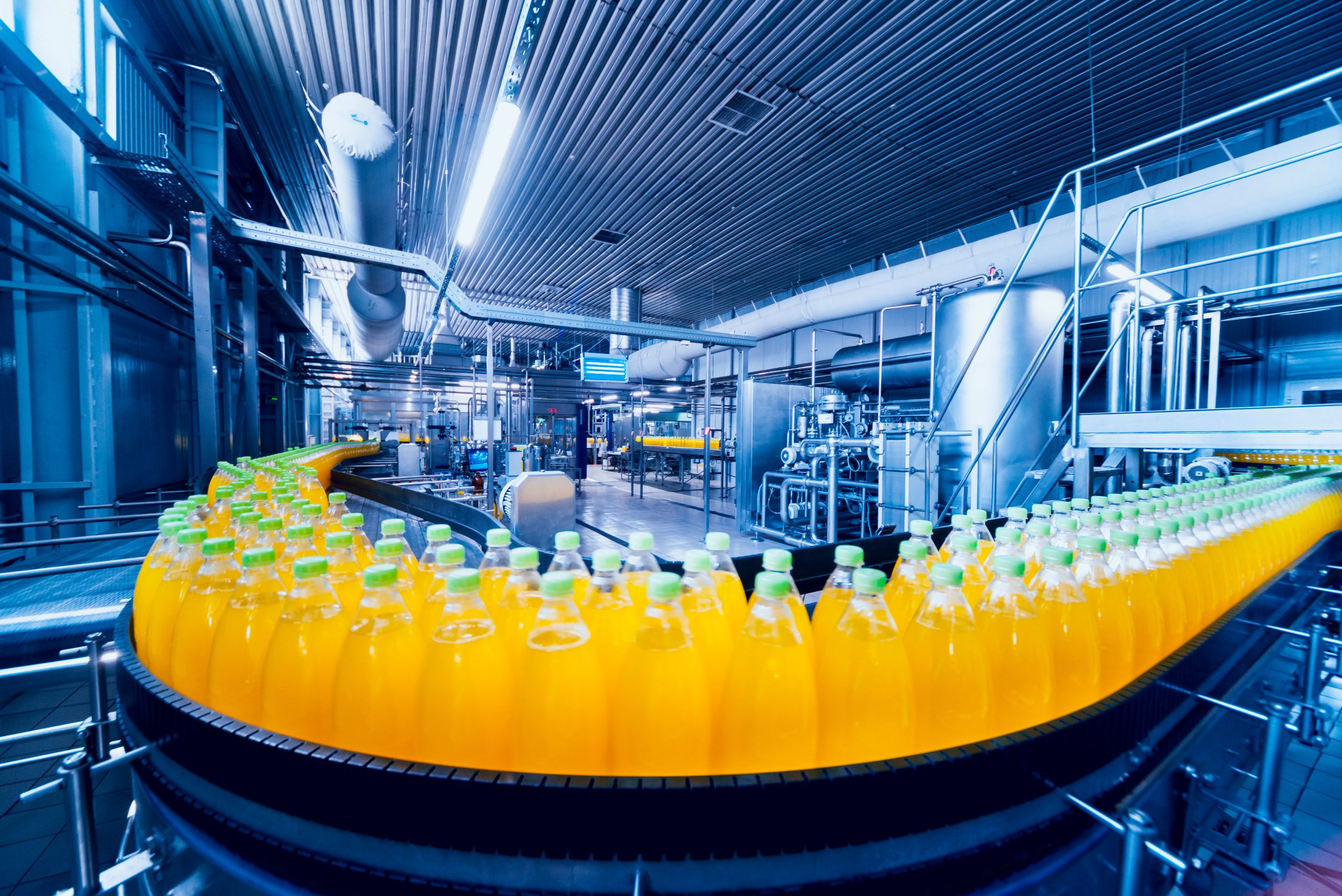 Food Industry
 Marine
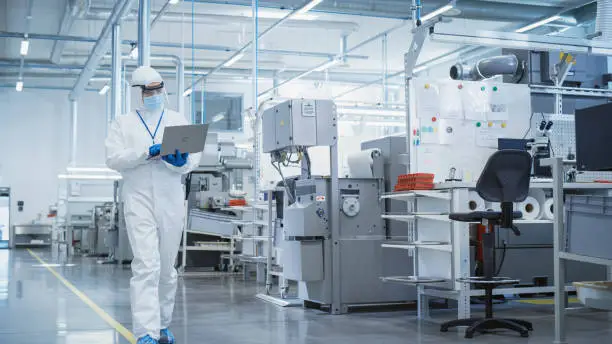 Medical and Cryogenic
 Playground
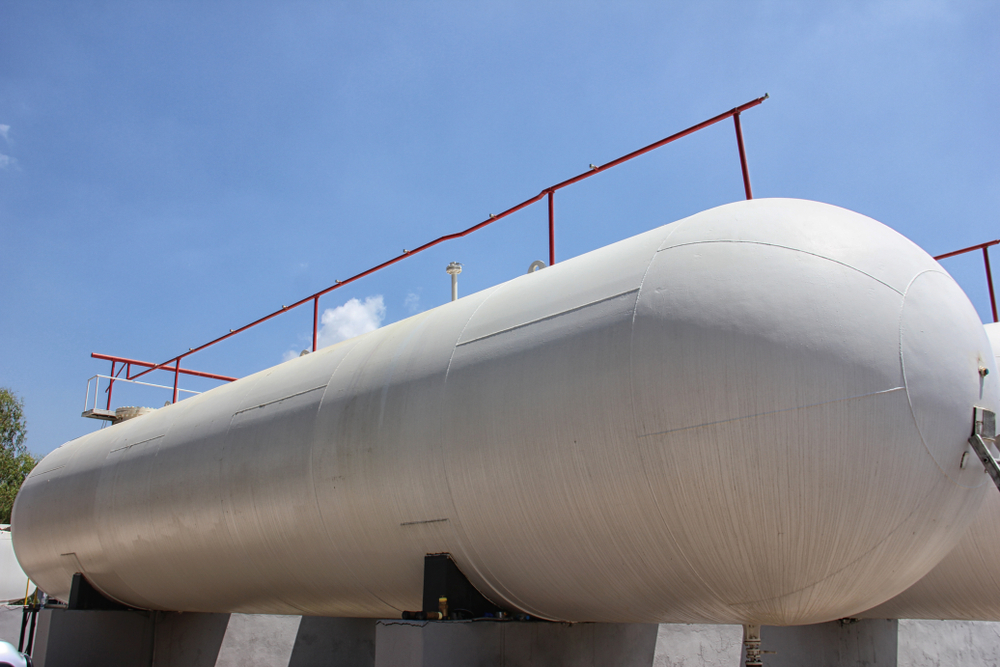 Pressure Vessels
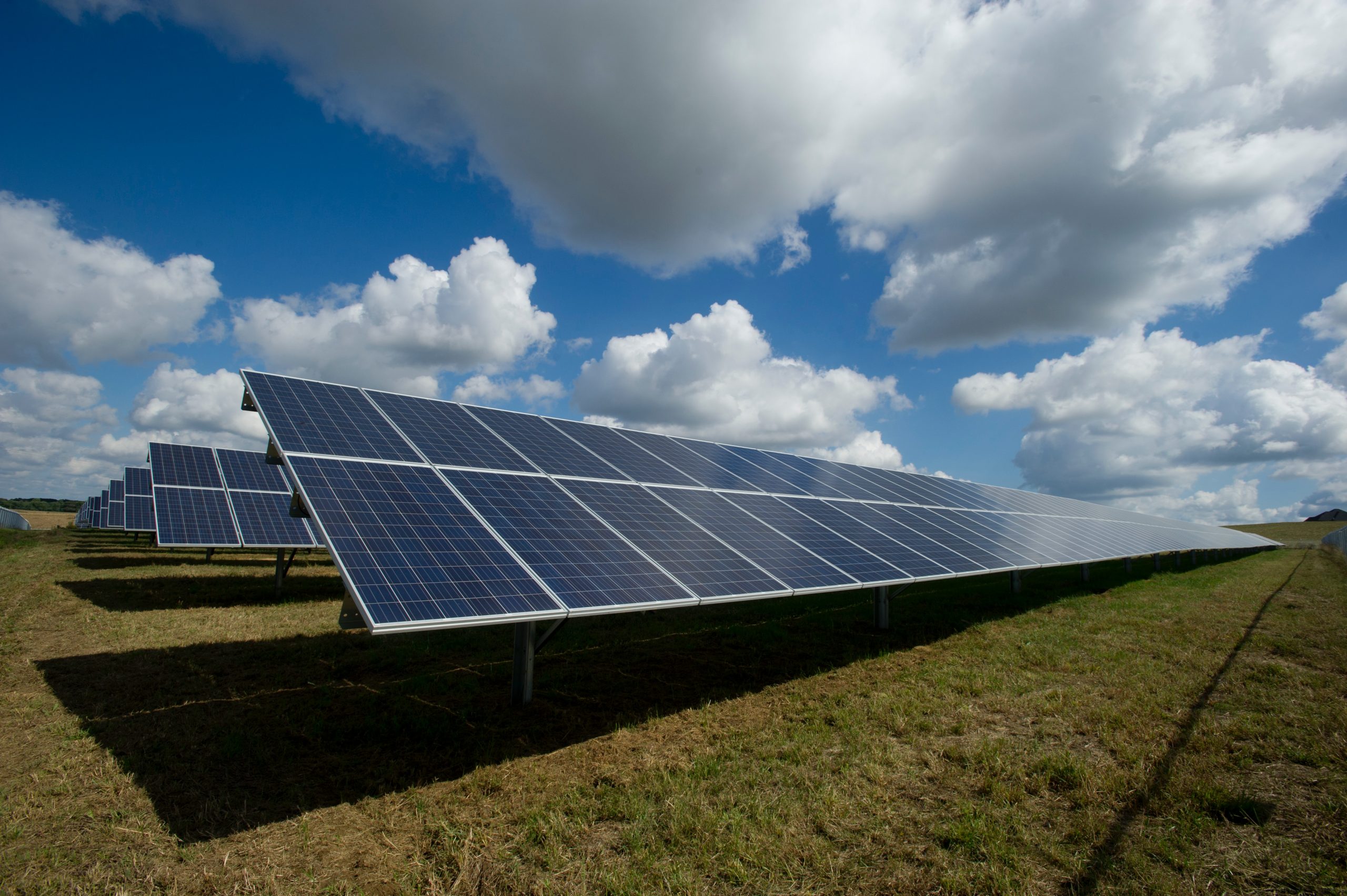 Renewable Energy
 Safety
Metal Spinners UK: Choosing Metal Spinning Companies & Manufacturers in the North East
< Blogs < Metal Spinners UK: Choosing Metal Spinning Companies & Manufacturers in the North East
Finding the right metal spinners is less about who has the flashiest brochure and more about who can form your part to drawing, on time, in the material you specified. The UK still has a strong spinning industry, but capability varies widely. Some shops are set up for short-run decorative work. Others run CNC and PNC lathes, hold large tool libraries, and combine spinning with pressing, swaging and fabrication. If you are sourcing from the North East, that last group is worth a close look.
Tanfield Metal Spinners is based in Washington, Tyne and Wear, and has formed components in this region since 1984. This guide explains what metal spinning companies in the UK should be able to demonstrate, how North East metal spinners fit into national supply chains, and which questions separate a genuine manufacturer from a broker.
What metal spinners actually do
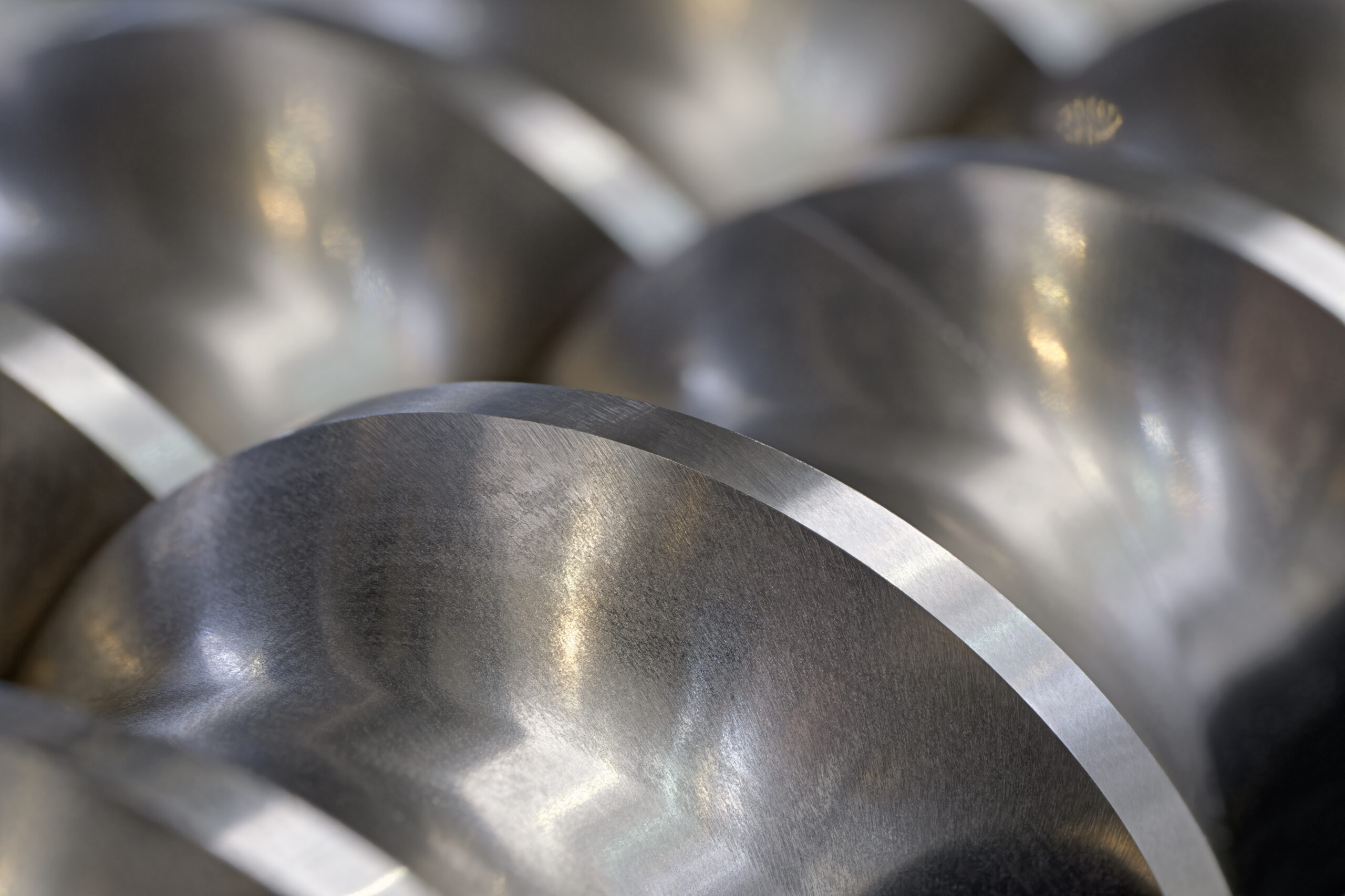
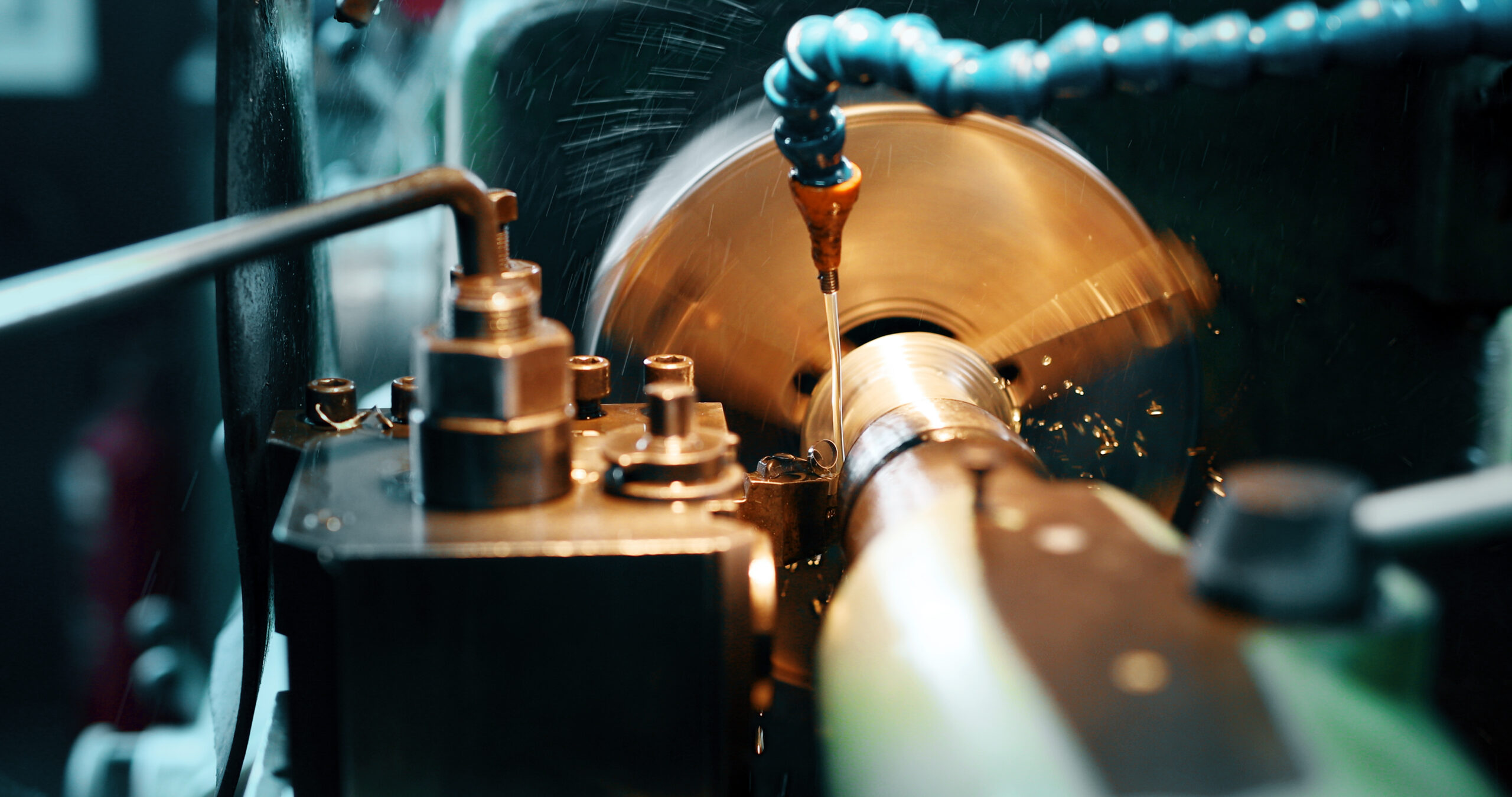
Metal spinning takes a flat disc or pre-form and shapes it over a rotating mandrel with a roller. The metal stays as one piece. There is no longitudinal weld on a typical cone, hemisphere or cylinder, and tooling is usually simpler than a deep-draw die set. That is why spinning is used for tank heads, air-movement components, lighting, food-plant vessels, safety covers and many other axisymmetric parts.
A capable shop will talk you through the metal spinning process in practical terms: blank size, number of passes, whether annealing is needed, how the rim will be trimmed, and which secondary operations follow. If a supplier cannot explain those steps against your drawing, keep looking.
Why UK manufacture still matters
Metal spinning manufacturers UK buyers choose for more than patriotism. Lead time, communication and traceability are easier when the lathe is a few hours up the A1 rather than a time zone away. Material certificates travel with the job. Design changes can be discussed the same day. For pressure-retaining or safety-related parts, that proximity is not a nicety.
There is also a tooling argument. The best metal spinners UK buyers work with invest in standard hemisphere, dish and flat-end tools so many jobs never attract a new-tool charge. Tanfield holds one of the largest tooling stocks in the country and a hemisphere range among the largest in Europe. That is the difference between a prototype that waits six weeks for a mandrel and one that can start on existing plant.
Made-in-Britain supply also simplifies audits. ISO 9001, material pedigree and in-process inspection are easier to verify on a visit to Washington than through a trading company that outsources the spin.
What to look for in metal spinning companies UK
Use the list below as a scorecard. Serious metal spinning companies UK engineers shortlist will be able to answer every point.
Capacity and thickness
Ask for maximum blank diameter and thickness by alloy. Tanfield quotes work up to a 2.4 metre radius and around 10 mm thick, and partners internationally when a job exceeds that envelope. Vague “we can do large work” answers are not enough.
CNC and PNC plant
Hand spinning still has a place for unusual one-offs. Production work needs programmed control. CNC metal spinning gives repeatable tool paths, faster cycle times and a stored programme for the next batch. PNC playback machines sit between craft and full CNC. A manufacturer that runs both can match the job to the machine.
Tooling library
New tooling is sometimes unavoidable. It should not be the default. Ask how often they spin from stock tools and who pays if a special mandrel is required.
Materials
Spinning is only as good as the blank. Check that the company regularly forms your alloy, not just mild steel and aluminium. Stainless, duplex, copper, brass, titanium and nickel alloys all behave differently. A useful starting point is their published guidance on choosing material for a spinning project.
Secondary processes in-house
A spun shell is rarely the finished article. Pressing, metal swaging, machining, welding, polishing and surface treatment decide whether you manage one supplier or four. In-house routes cut transport, handling damage and “who owns the tolerance?” arguments.
Quality system
ISO 9001 should be the floor, not the ceiling. Ask how first-offs are approved, what AQL they apply at spinning, and whether material certificates are issued as standard.
Lead time honesty
Three to four weeks is a realistic production window when tools exist. New tools, exotic alloys or heavy fabrication extend that. A quote that promises everything in ten days without seeing the drawing is a warning.
Engineering support
No drawing should not mean no quote. Good metal spinning manufacturers UK customers stay with will produce a manufacturing drawing for sign-off. That is part of precision engineering, not a favour.
Why the North East is a sensible place to source
North East metal spinners sit inside a region that still makes things: energy, process plant, offshore supply, food processing, air movement and heavy fabrication. Washington is close to the A1(M), the Tyne ports and the main east-coast rail corridor, so finished parts move south to the Midlands and beyond without drama.
Tanfield’s facility is on Parsons Industrial Estate, NE37 1HB, a short run from Gateshead and Newcastle. The shop floor is a large automated spinning hall backed by hydraulic pressing, machining, fabrication and finishing. That concentration of plant is what “North East metal spinners” should mean in practice: not a trading address, but a factory you can visit.
For buyers already purchasing fabrications or vessels in Tyne and Wear, adding a local spin shop reduces the number of freight legs on a kit of parts. For buyers elsewhere in the UK, the region is still inside standard next-day carrier coverage.
Spinning is not the only process you will need
The strongest manufacturers treat spinning as the core, then build a route around it.
Metal pressing covers work that is better drawn or stamped than spun. Tanfield’s largest hydraulic press is rated at 350 tons, with a 650 mm drawing depth and a bed around 1200 × 1500 mm, and can form thicknesses from roughly 0.7 mm to 10 mm.
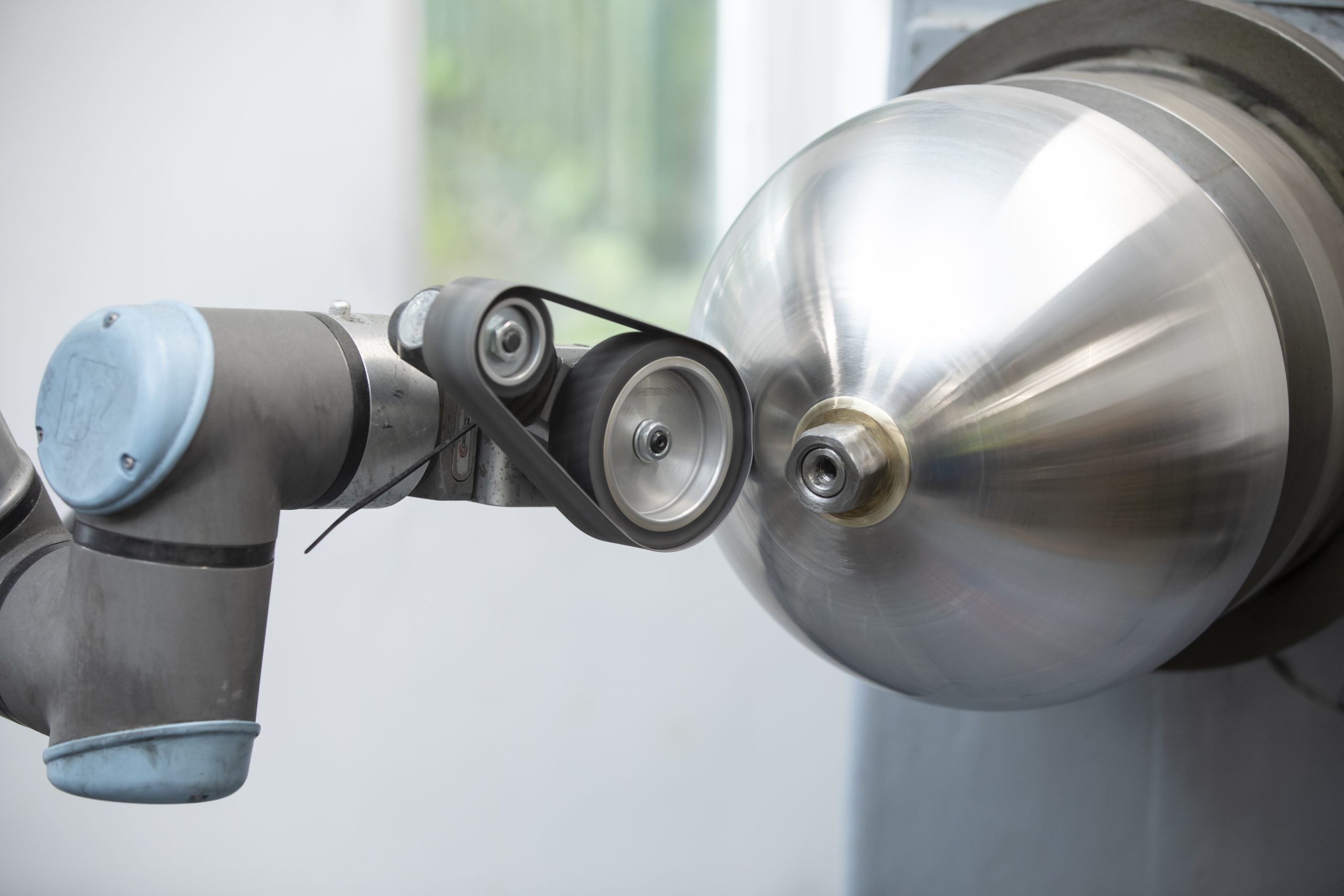
Swaging adds tapers, reduced necks and local contours on tubes and shells. Fabrication and welding turn spun ends into vessels and assemblies. Polishing, anodising, electropolishing and pickling finish the surface for food, architectural or corrosive service.
If a company only spins and then sends every other operation out, you are project-managing a supply chain. If they can keep the route inside one quality system, you are buying a component.
When spinning is the wrong first choice, a good supplier will say so. That is the point of comparing spinning with deep drawing or presswork: volume, geometry and tooling cost decide the process, not habit.
Industries that keep UK spinning shops busy
Metal spinning earns its keep where you need a seamless, symmetrical form and you do not want to pay deep-draw tooling for a modest batch. Five industries that benefit from that combination include aerospace and safety, automotive and transport, medical and hygiene, architecture and lighting, and process plant.
In the North East the mix often leans toward air movement, renewable and conventional energy, food equipment, agriculture and pressure-retaining hardware. Dished ends, cones, covers, hoppers and tank fittings are everyday work. The same factory can also produce one-off prototypes when a design team is still locking geometry.
How to run a proper enquiry
Send more than a sketch if you have it. A usable pack includes:
- Material grade and any certification requirement
- Thickness and whether it is the blank or the finished wall
- Inside or outside diameters, and which is master
- Tolerances that actually matter, not a blanket ±0.1 mm on every dimension
- Surface finish and any food, PED or customer specification
- Quantity now and a realistic call-off over twelve months
- Whether you need a spun part only or a welded, machined, polished assembly
If you cannot supply a drawing, say so. Ask the spinner to draft one. Confirm who owns the tooling. Confirm packing and delivery. Tanfield’s standard delivery is next-day within the UK, with a before-noon upgrade if the programme needs it.
Most of their formal quotes go out within 24 hours when the information is complete. That speed is only useful if the technical content is right, so spend the extra hour on the enquiry.
Red flags when you compare quotes
- Unit price with no mention of tooling, material certs or finishing
- Capacity claims that change when you ask for a maximum thickness in stainless
- No ISO certificate, or a certificate that belongs to a different legal entity
- A “UK” brand that cannot give a factory address you can visit
- Refusal to discuss annealing, thinning or inspection method
- A lead time that ignores the fact your alloy work-hardens and needs extra passes
The cheapest line on a spreadsheet is often the one that comes back for concession or scrap. Spinning looks simple from outside the lathe. The cost sits in the tool path, the blank nest and the number of times the part is handled.
A practical way to shortlist
Visit if the annual spend justifies it. Watch a first-off if you can. Speak to the estimator and the production lead, not only sales. Ask what they will not spin; a confident manufacturer has limits.
For many UK buyers the shortlist is small: a handful of metal spinning manufacturers UK-wide have the combination of large tools, CNC plant and in-house finishing. Location then becomes a logistics and relationship decision. If you want a North East base with national reach, Washington is a straightforward choice.
Tanfield Metal Spinners is a family-supported, 100% Great Britain manufacturer with more than forty years in the trade, ISO 9001 systems, and a shop configured for both prototype and production. About the company is the right page if you want background before you send a drawing.
If you are choosing metal spinners for a live project, send the drawing or the sketch to the technical sales team and ask for a process recommendation as well as a price. The right metal spinning companies UK buyers stay with are the ones that tell you how the part should be made, not only what it will cost.
< Blogs < Metal Spinners UK: Choosing Metal Spinning Companies & Manufacturers in the North East
More Blogs